This is where intimate event venues become interesting.
Venues
Intimate Event Venues: A Guide for the Modern Minimalist
Scroll
Intimate Event Venues: A Guide for the Modern Minimalist The most memorable events are not always the biggest ones. In fact, some of the most compelling gatherings today are deliberately small, carefully considered and designed around the people in the room rather than the number of people in it.
Across cities such as London, Paris, New York, Lagos, Nairobi and Johannesburg, there is a growing appreciation for events that feel personal rather than excessive. Private dinners, gallery evenings, product launches, creative salons, founders' gatherings and small celebrations are increasingly being designed as experiences rather than simply occasions.
The shift is partly cultural. People have become more selective about where they spend their time. A crowded room, generic decoration and a stage at the front no longer automatically create a memorable event.
Instead, atmosphere matters.
The architecture matters. The lighting matters. The distance between guests matters. The table setting matters. The music matters. Even the way guests enter the room can influence how the evening unfolds.
For the modern minimalist, this is especially important. Minimalism is not about having nothing. It is about removing what does not contribute to the experience.
Why Smaller Events Are Becoming More Interesting
There is a particular power in limiting a guest list.
A room of 20 people behaves differently from a room of 200. Conversations become easier. Guests are more likely to recognise one another. The host has more control over the atmosphere, and the event can develop a stronger identity.
This is one reason private dining has become such an important reference point in contemporary hospitality. Around the world, restaurants and hotels have created secluded dining rooms, salons and hidden spaces specifically for occasions where privacy and atmosphere matter as much as the food itself.
The principle extends beyond dining.
A product launch does not always need a ballroom. A fashion presentation may be more powerful inside a gallery. A community gathering might work better in a beautifully designed courtyard. A founder's dinner could feel more meaningful around one long table than inside a convention centre.
The venue should serve the story of the event.
What Makes an Intimate Venue Exceptional?
1. The Space Has a Point of View
The best intimate venues do not feel like empty boxes waiting for an event planner to give them personality.
They already have one.
Perhaps it is the architecture. Perhaps it is the furniture, artwork, landscaping, lighting or relationship between indoor and outdoor spaces.
A venue with a strong visual identity gives an event something to work with. Instead of covering the space with decorations, the organiser can allow the existing character of the venue to become part of the event.
2. Scale Creates Comfort
A common mistake in event planning is choosing a space based entirely on maximum capacity.
Capacity is not the same thing as suitability.
If 30 guests are placed inside a room designed to hold 300, the gathering can immediately feel underwhelming. Conversely, placing 30 carefully selected guests around a beautifully proportioned dining room can create an atmosphere of exclusivity.
For intimate events, proportion matters.
3. Lighting Does More Than Decorate
Lighting determines how a space feels before anyone says a word.
Bright, uniform lighting tends to make a room feel functional. Layered lighting can make the same room feel cinematic, private or relaxed.
For evening events, warm pools of light, candles, architectural lighting and carefully positioned fixtures can create visual depth without requiring excessive decoration.
This is particularly useful for minimalist events because the lighting itself can become part of the design.
4. Movement Should Feel Natural
Good event spaces quietly guide people.
Guests should know where to enter, where to sit, where to have a drink and where to move when they want a conversation without needing someone to direct them every few minutes.
This is a spatial-design problem rather than simply an event-management problem.
A strong venue creates a natural sequence: arrival, introduction, gathering, interaction and departure.
Port Harcourt Has More Possibilities Than It Gets Credit For
Port Harcourt is often discussed primarily through restaurants, lounges and hotels, but several existing spaces demonstrate how the city can accommodate more sophisticated forms of gathering.
The opportunity is to stop thinking about these venues only according to their everyday function.
The Waterside Restaurant & Lounge
The Waterside is an interesting example because its identity is built around more than a dining room.
Located on Abuloma Road in Trans Amadi, the property combines a waterfront setting with gardens, art, dining and lounge spaces. Its outdoor areas are suitable for weddings, corporate events, private parties and photoshoots.
That combination gives an organiser several different environments to work with without necessarily leaving the property.
A private dinner could begin with drinks outdoors before moving to the dining area. A brand gathering could use the gardens for arrival and photography before transitioning into a more structured presentation.
The environment itself becomes part of the programme.
Explore The Waterside Restaurant & Lounge on ATribe Spot
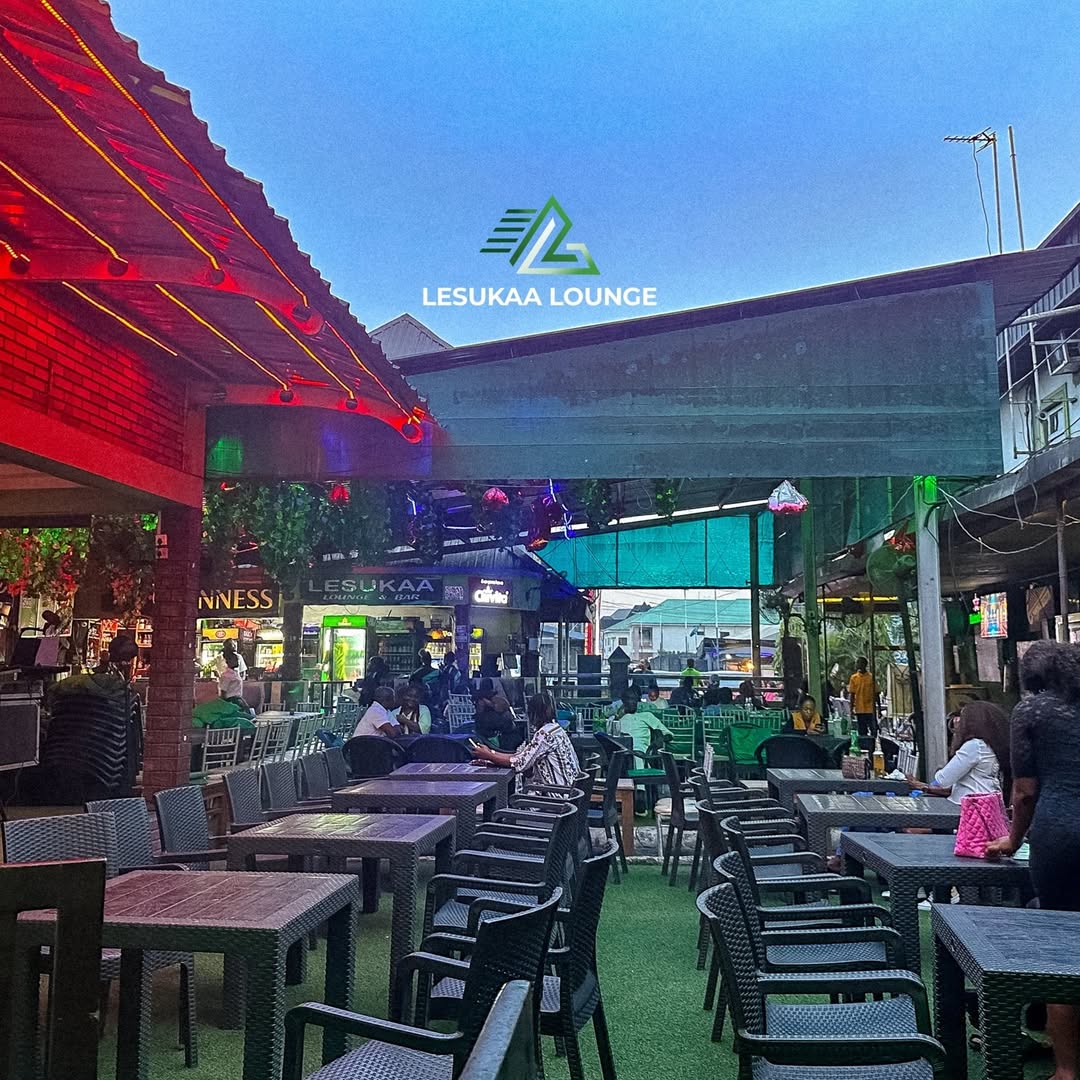
Lesukaa Port Harcourt
Lesukaa demonstrates another useful model: the multi-experience venue.
Its property combines a sports bar, restaurant, lounge and Eve Hall, with the event space designed to accommodate occasions ranging from corporate dinners and product launches to private celebrations.
For organisers who need flexibility, this type of venue can be valuable. The event does not have to exist as one continuous activity. Different parts of the property can support different moments of the experience.
The important consideration is selecting the appropriate section rather than simply booking the largest available room.
Explore Lesukaa Port Harcourt on ATribe Spot
Saltwood Hotel & Lounge
Saltwood offers another interpretation of the lifestyle venue.
The property brings together accommodation, restaurants and multiple lounge concepts, creating a setting that can support celebrations, corporate gatherings, private occasions and brand experiences.
Its strongest advantage is the way different experiences exist within the same overall environment. That can be particularly useful for a small brand launch or private gathering where guests may want to move naturally between dining, conversation and socialising.
Explore Saltwood Hotel & Lounge on ATribe Spot
The Venue Should Match the Event's Personality
There is no universally perfect venue.
A minimalist product launch requires something different from an intimate birthday dinner. A founders' dinner requires a different atmosphere from a creative networking evening.
The first question should therefore never be, “Which venue is the most luxurious?”
It should be:
“What should people feel when they leave?”
If the answer is inspired, choose a space with creative energy.
If the answer is connected, choose a space that encourages conversation.
If the answer is impressed, architectural character and service become more important.
If the answer is relaxed, look for natural materials, softer lighting and comfortable seating.
The emotional outcome should determine the physical environment.
Four Event Formats That Benefit From Intimacy
Private Dinners
A private dinner is perhaps the clearest expression of intimate event design. One table, carefully considered food, thoughtful lighting and a guest list small enough for everyone to participate can create an experience that feels more like entering someone's world than attending an event.
This format works particularly well for founders, designers, creatives, executives and brands trying to build deeper relationships.
Brand Launches
Not every product deserves a large launch party.
For premium products, a smaller guest list can actually reinforce the positioning. The product can be introduced through conversation, demonstration, storytelling and carefully designed interaction rather than competing with a crowded room.
Luxury brands have understood this principle for decades: access itself can become part of the experience.
Creative Community Gatherings
A room full of people does not automatically create community.
Sometimes 15 designers, photographers, writers, founders or artists sitting around a table can create more meaningful connections than 150 people moving through a conventional networking event.
The venue should therefore support conversation rather than merely accommodate attendance.
Curated Celebrations
Birthdays, anniversaries and personal milestones can also benefit from restraint.
A smaller gathering allows the host to focus on details: personalised menus, music, flowers, photography, conversation and food. The result can feel considerably more sophisticated than an event where decoration is used to compensate for an uninspiring space.
The Minimalist Event Formula
If the goal is an elegant, contemporary event, start with fewer elements rather than more.
- One strong venue: Let the architecture establish the foundation.
- One visual language: Keep colours, materials and typography coherent.
- One memorable focal point: This could be a table, artwork, installation, product or performance.
- Thoughtful lighting: Use light to create mood rather than simply illuminate the room.
- Intentional music: The soundtrack should support the atmosphere rather than dominate it.
- A considered guest list: Invite people who contribute to the purpose of the gathering.
- Room to breathe: Do not fill every surface or corner.
Why Intimacy Can Feel More Luxurious Than Excess
Luxury has changed.
For much of the twentieth century, luxury was communicated through scale: larger houses, larger cars, larger hotels and increasingly elaborate events.
Contemporary luxury is often more discreet.
Privacy is valuable. Time is valuable. Personal attention is valuable. Access is valuable.
A small dinner where every guest feels genuinely considered can therefore communicate more luxury than a massive event with hundreds of attendees.
This is one of the reasons intimate hospitality spaces continue to attract attention internationally. The environment becomes an extension of the experience, rather than a neutral container for it.
How to Choose the Right Venue
Before making a booking, ask five simple questions:
- Does the space already have character?
- Is the size appropriate for the guest list?
- Can the lighting support the mood I want?
- Does the venue make conversation easy?
- Can the space accommodate the practical requirements of the event?
That last question is where aesthetics must meet reality.
Check parking, power, internet, restrooms, accessibility, catering arrangements, sound restrictions, setup time, photography permissions and weather contingencies where relevant.
A beautiful venue that creates logistical chaos is not an elevated experience.
The Future of Events Is More Intentional
The next generation of events will not necessarily be defined by how many people attend.
They will be defined by how deliberately the experience has been constructed.
A private room. A long table. A gallery after hours. A rooftop at sunset. A garden dinner. A small product launch surrounded by the people who genuinely need to be there.
These formats are powerful because they give people something increasingly rare: the feeling that their presence matters.
For organisers, that changes the role of the venue. You are no longer simply renting square metres.
You are choosing the setting in which a memory, relationship, conversation or brand story will take place.
That is a much more important decision.
Discover More Curated Venues with ATribe Spot
ATribe Spot is built around the idea that the spaces we choose shape the experiences we have. From restaurants and hotels to lounges, workspaces and event destinations, our Places directory is designed to help you discover environments with character.
For your next private dinner, creative gathering, celebration or brand experience, do not start by asking how much space you can fill.
Start by asking what kind of experience you want to create.
Then find the space that can hold it.
Hello, Lovers of Ekstasy.
Discover & BookThis Is Where
Get Your Tickets This Is Where
Ekstasy Begins.
ATribe Tickets is Nigeria's platform for discovering and booking real experiences — concerts, parties, and curated events happening across the country. Every story on this blog is a place you can actually go. Find it, book it, live it.
02
Keep Reading  Venues Dining Dining Experiences Lifestyle Dining Nightlife
More From The Blog
 Venues
Luxury Event Venues in Port Harcourt: 5 Premier Spaces
September 3, 2026 Dining
Best Cafés in Port Harcourt: Coffee, Brunch, Work & Good Vibes
September 9, 2026 Dining
Best Restaurants in Port Harcourt: Where to Eat Well Right Now
September 9, 2026 Experiences
Things to Do in Port Harcourt: 15 Experiences Worth Having
September 9, 2026 Lifestyle
How to Improve Your Lifestyle: 10 Ways to Live Better
September 7, 2026
Modern Luxury: How Local Founders Are Elevating the Lifestyle Experience
September 4, 2026 Dining
Experiential Dining: How Restaurants Became Social Experiences
September 4, 2026 Nightlife
Finding Your Perfect Evening Retreat: A Guide to After-Dark Escapes
September 4, 2026Join the Conversation
— 0 commentsNo comments yet — be the first to share your thoughts.
Leave a Comment
Your email address will not be published.